

Livestock Rations During a Heatwave
Posted by Linda Richards on 13/07/26
Livestock Rations During a Heatwave: Managing Stock When Grass Stops Growing
By Border Counties
Extended periods of hot, dry weather can quickly turn productive grazing into a major challenge for livestock farmers. As grass growth slows or stops altogether, farms can face a double pressure: reduced forage availability and increased animal stress caused by high temperatures.
When grazing disappears, maintaining livestock performance, health and welfare depends on providing a well-balanced ration that meets nutritional requirements while helping animals cope with heat stress.
Why Heatwaves Create Feeding Challenges
During hot weather, livestock naturally reduce feed intake to lower the amount of heat generated during digestion. At the same time, water requirements increase significantly, and the nutritional value of drought-affected pasture can decline rapidly.
Common impacts include:
- Reduced dry matter intake
- Lower milk yields in dairy cattle
- Reduced liveweight gain in beef and lambs
- Increased risk of fertility issues
- Greater susceptibility to metabolic disorders
- Elevated stress levels and welfare concerns
When grass availability becomes limited, farmers need to adapt rations quickly but carefully.
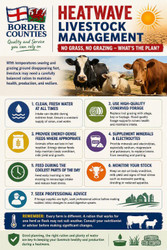
Water: Your Most Important Feed
Fresh, clean water is the first priority during a heatwave.
Livestock can consume substantially more water during periods of extreme heat, and any restriction to water intake can quickly affect health, productivity and welfare.
Key Actions:
✅ Check troughs daily
✅ Ensure adequate flow rates
✅ Clean water sources regularly
✅ Provide additional drinking points where necessary
✅ Monitor for leaks and shortages
Remember: no ration can compensate for inadequate water availability.
Replacing Lost Grazing
With little or no grass available, conserved forage becomes the foundation of the ration.
Options include:
Silage
- High-energy forage source
- Maintains rumen function
- Suitable for dairy, beef and sheep systems
Hay
- Useful where silage supplies are limited
- Can help maintain fibre levels
- Best when good-quality forage is available
Haylage
- Often highly palatable
- Encourages intake during hot conditions
- Can provide additional energy compared to hay
The quality of forage available will largely determine whether supplementary concentrates are required.
Increasing Energy Density
Animals often consume less feed during hot weather.
To maintain production and performance, many farms benefit from increasing the energy concentration of the ration by feeding liquid feed/ molasses rather than simply increasing feed volume. Fine more information and buy online https://bcagrionline.co.uk/liquid-feeds-molasses-blends/
Potential options include:
- Liquid feed/molasees
- High-quality concentrates
- Cereals where appropriate
- Protected fats for dairy animals
- Balanced compound feeds
- Specialist drought rations
Any changes should be introduced gradually to reduce the risk of digestive upsets or acidosis.
Don't Forget Minerals and Electrolytes
Heat stress increases the loss of minerals through sweating, increased respiration and changes in water consumption.
Particular attention should be paid to:
- Sodium
- Potassium
- Magnesium
- Calcium
Supplementation may help support hydration, rumen health and overall animal performance.
Mineral requirements vary between species and production systems, so professional advice is recommended before making significant adjustments.
Feed at Cooler Times of Day
Best Practice:
- Feed early morning
- Offer additional feed later in the evening
- Avoid major feeding during peak afternoon temperatures
- Push up feed regularly
- Keep feed fresh and palatable
Maintaining feed availability during cooler periods can significantly improve intake.
Monitor Livestock Closely
When grazing is unavailable, regular monitoring becomes even more important.
Watch for:
⚠ Excessive panting
⚠ Drooling
⚠ Reduced appetite
⚠ Falling milk yields
⚠ Weight loss
⚠ Lethargy
⚠ Increased bunching behaviour
Early intervention can prevent minor issues from becoming major welfare or production problems.
Planning Ahead for Forage Shortages
Many farms experience pressure on forage stocks during prolonged dry periods. If forage reserves are becoming tight:
- Calculate remaining forage supplies
- Review stocking rates
- Explore alternative forage crops
- Assess the economics of supplementary feeds
- Seek nutritional advice before changing rations
A planned approach is usually more cost-effective than making emergency feeding decisions later in the season.
Every Farm is Different
There is no single ration that suits every herd or flock during a heatwave. Requirements vary according to species, age, production level, forage quality and available feed resources.
The most successful approach is one that combines:
✅ Plenty of clean water
✅ High-quality conserved forage
✅ Appropriate energy supplementation
✅ Balanced minerals and electrolytes
✅ Close monitoring of animal health and performance
With good planning and timely adjustments, livestock can continue to perform well and maintain welfare standards even when grass growth comes to a halt.
Need Advice on Heatwave Feeding Strategies?
Border Counties can help farmers with advice about different liquid feeds/molasses blends and identify practical feeding options during periods of drought and heat stress.
Contact Border Counties today to discuss your livestock feed requirements.